

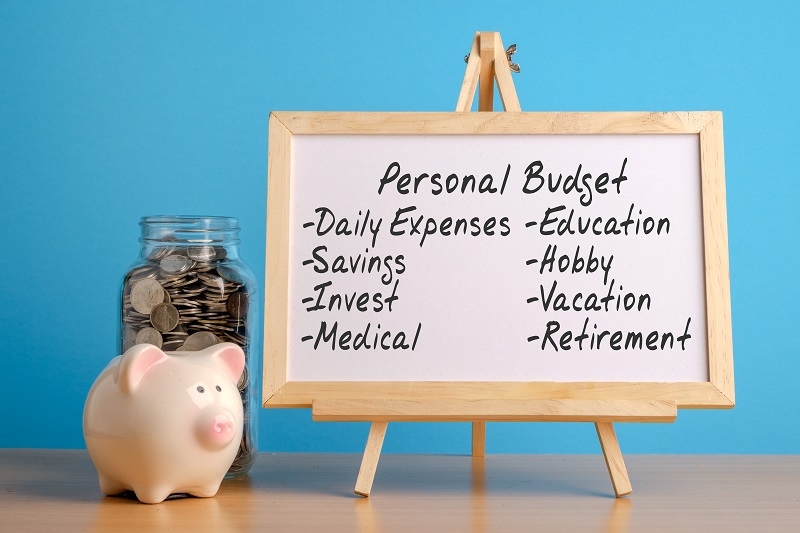
Every story of financial control begins with one simple decision that is to build a plan for money. Many people ask themselves how to start a personal budget, but they wait, unsure where to begin.
The truth is, a budget is not about cutting joy from life. It is about understanding money clearly, so each choice feels easier. A personal budget brings order, balance, and confidence. It turns financial stress into a manageable process.
By learning how to start a personal budget plan and using tools like a personal budget template, anyone can create a system that actually works. This guide walks through each step, slowly and clearly, just like a story being told.
Think of a budget plan as a simple map which does not have to be complicated. It just needs to show where money comes from, where it goes, and how much is left.
A personal budget plan begins with these three steps:
When someone begins this process, they notice patterns. Money spent on habits, money saved without effort, and areas where small changes bring big results.
Starting a personal budget plan is not about perfection, but it is about seeing clearly for the first time.
Sometimes, a blank page feels too heavy and this is the exact reason why a personal budget template becomes helpful.
A template already has categories for income, expenses, and savings. Instead of creating a system from nothing, people can simply fill in the blanks. Housing, transport, food, entertainment, and savings already have a place.
The benefit of a personal budget template is clarity as it takes reduces confusion and time spent on planning. Beginners often find that using a template keeps them consistent. When people use a template, creating a personal budget feels less like work and more like a simple routine.
A monthly budget is more than numbers written on paper because a personal budget is a story about money. It shows how much comes in, how much goes out, and how much remains for dreams and goals.
Without a budget, money often disappears without explanation. With a budget, each expense has a reason, and each decision feels more intentional.
The benefits of building a personal budget are clear:
A personal budget is not about saying no to life, but it is about making room for what truly matters.

The process of creating a personal budget can be explained in simple steps. Each step builds on the one before, like chapters in a story.
Every coin, every note, every digital payment should be recorded. Small costs add up quickly, and they reveal hidden spending habits.
Food, rent, and transport are needs. Eating out, shopping, and entertainment are wants. Both matter, but knowing the difference creates balance.
Decide how much should be spent in each area. These limits act like guide rails, keeping money on track.
Move savings aside before other expenses. Even a small amount builds strength over time.
A budget is not fixed forever because life changes and your plans should adjust with it.
By creating a personal budget step by step, financial habits grow stronger. It becomes easier to plan, save, and prepare for the future.
Many people imagine budgeting as a complicated process. However, if you want to know how to create a personal budget, the process is very simple.
Start with a notebook or a digital sheet and write income at the top, expenses in the middle, and savings at the bottom. Divide money into three clear sections in the form of needs, wants, and savings.
At first, keep the system very simple by setting one small goal, like saving a fixed amount for emergencies and Review the plan weekly to necessary adjustments.
When people learn to create a personal budget in a simple way, they discover freedom. A budget does not trap anyone. Instead, it creates space for joy, comfort, and future plans.
Starting a budget is easy, but staying consistent is harder. Many people build a plan but stop following it after a few weeks.
The key to success is simplicity. The budget should be easy to update and quick to review, so that the small check-ins every week will prevent you from making large mistakes later.
Consistency grows when people reward themselves for reaching small goals. Saving a little extra or reducing one unnecessary expense deserves recognition.
With steady practice, the habit of following a personal budget becomes natural. It no longer feels like effort but part of everyday life.
Budgets often fail because of common mistakes. Knowing these mistakes helps prevent frustration.
Avoiding these mistakes makes a personal budget plan stronger and easier to maintain.
Every budget tells a story of tomorrow. When someone decides to build a personal budget, they prepare for choices yet to come.
A budget makes room for dreams like travel, education, or buying a home. It also protects against the unexpected, ensuring peace even during difficult times.
The act of learning how to start a personal budget is not just about today. It is about shaping a life with more control, less stress, and greater opportunity.
Starting a budget is not about limits, but it is about clarity. By learning how to start a personal budget, anyone can bring order to their money.
Using a personal budget template, building a clear personal budget plan, and consistently following it ensures progress. With patience, savings grow, expenses stay balanced, and financial stress fades.
This content was created by AI